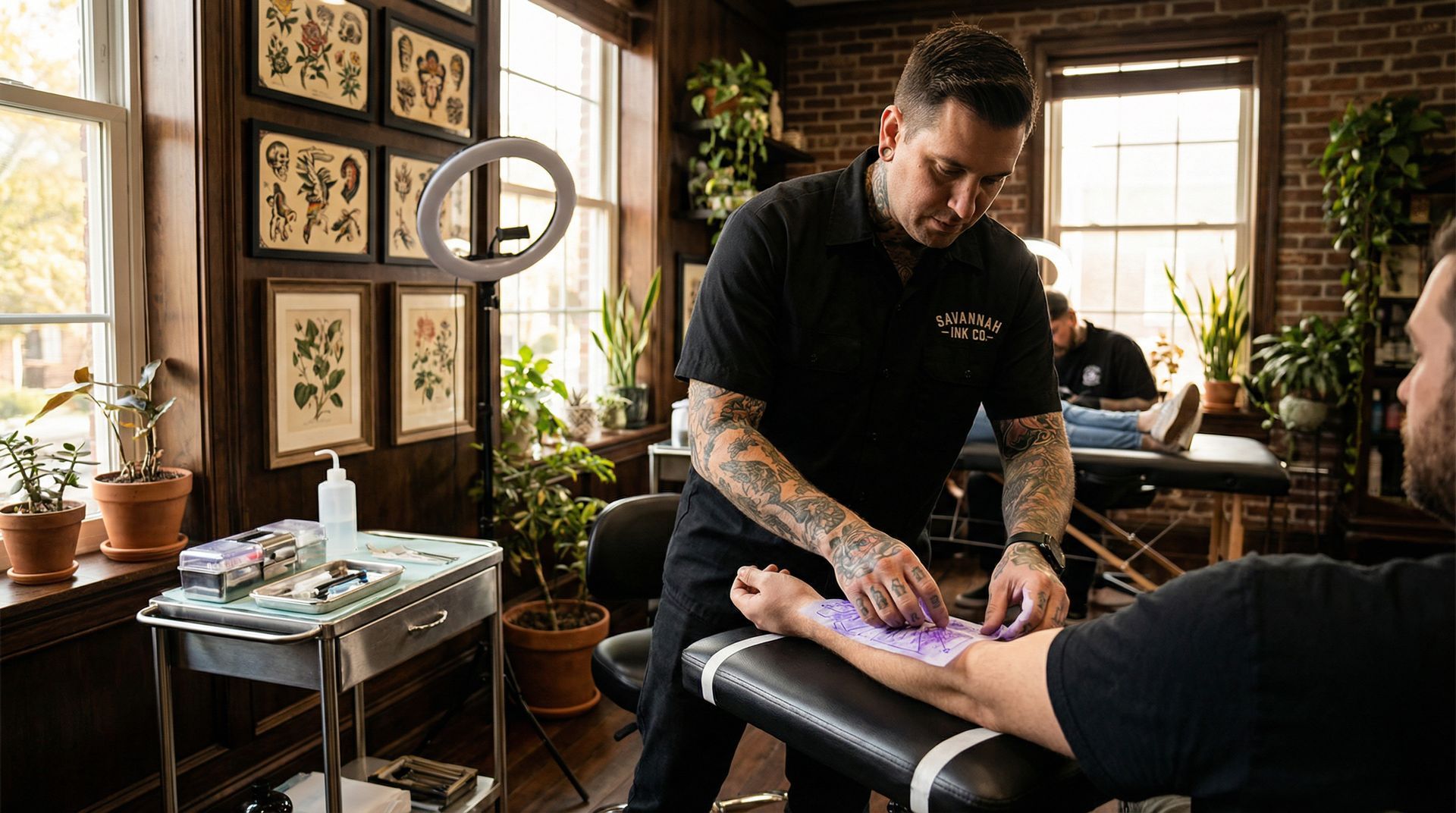
You want a piercing that heals fast and looks great, but the wrong jewelry, bad technique, or poor aftercare can turn it into weeks of swelling, irritation bumps, and that constant "is this infected?" stress. Body piercing in Savannah, GA should feel exciting, not risky.
Want a safer, smoother piercing experience in Savannah?
Visit for walk-in piercings or call Resurrection Ink at 912-352-9926 with questions before you come in.
Below is a clear, no-mystery breakdown of what to expect from a professional walk-in piercing, how pricing usually works, what jewelry actually matters (a lot), and the aftercare routine that helps you heal clean.
If you want to preview piercing options before you arrive, start here: Body Piercing in Savannah →
What walk-in body piercing in Savannah typically costs (and what affects pricing)
Studios set prices a little differently, but most professional piercing pricing comes down to two parts:
- The service fee (the piercer's time, sterile setup, single-use needles, expertise, aftercare education)
- The jewelry (material, style, gem/stone, brand, and whether it's basic or upgraded)
A "cheap piercing" almost always means cheap jewelry or rushed standards. And that's where you end up paying later, downsizing fixes, bump troubleshooting, replacing mystery-metal jewelry, or dealing with prolonged swelling.
Pricing factors you can expect in Savannah:
- Piercing placement (lobes vs. cartilage vs. navel vs. facial)
- Jewelry material (implant-grade is the goal)
- Jewelry style (flat-back labret, barbell, hoop, threadless end upgrades)
- Anatomy complexity (some placements require more assessment and precision)
- Whether you're doing one or multiple piercings in the same visit
If you're comparing shops, compare what's included : implant-grade options, sterile technique, and whether the piercer gives you a real aftercare plan, not just "clean it sometimes and good luck."
Step-by-step: What to expect during a walk-in piercing
A clean, professional walk-in piercing process should feel organized and calm. Here's how it typically goes when you're working with an experienced piercer.
Check-in, ID, and paperwork
Bring a valid photo ID. You'll fill out standard consent and health questions. Be honest about allergies (especially to metals), blood thinners, healing issues, pregnancy, and any current irritation.
Local tip: If you've been walking around River Street or spending the day in the Savannah heat, give yourself a minute to cool down and hydrate before you sit, less dizziness, better experience.
Anatomy assessment
A skilled piercer doesn't just pierce where you point, they check what your body can safely support. This helps determine safe placement, the best jewelry style for your anatomy, and the long-term look.
If a piercer tells you a specific placement won't heal well on you, that's a green flag, not a buzzkill.
Jewelry selection
Before the piercing happens, you'll pick jewelry. You'll usually choose the jewelry type, the end/top, and the metal (implant-grade options). This is where a professional shop will steer you toward the right size for swelling.
Sterile setup and prep
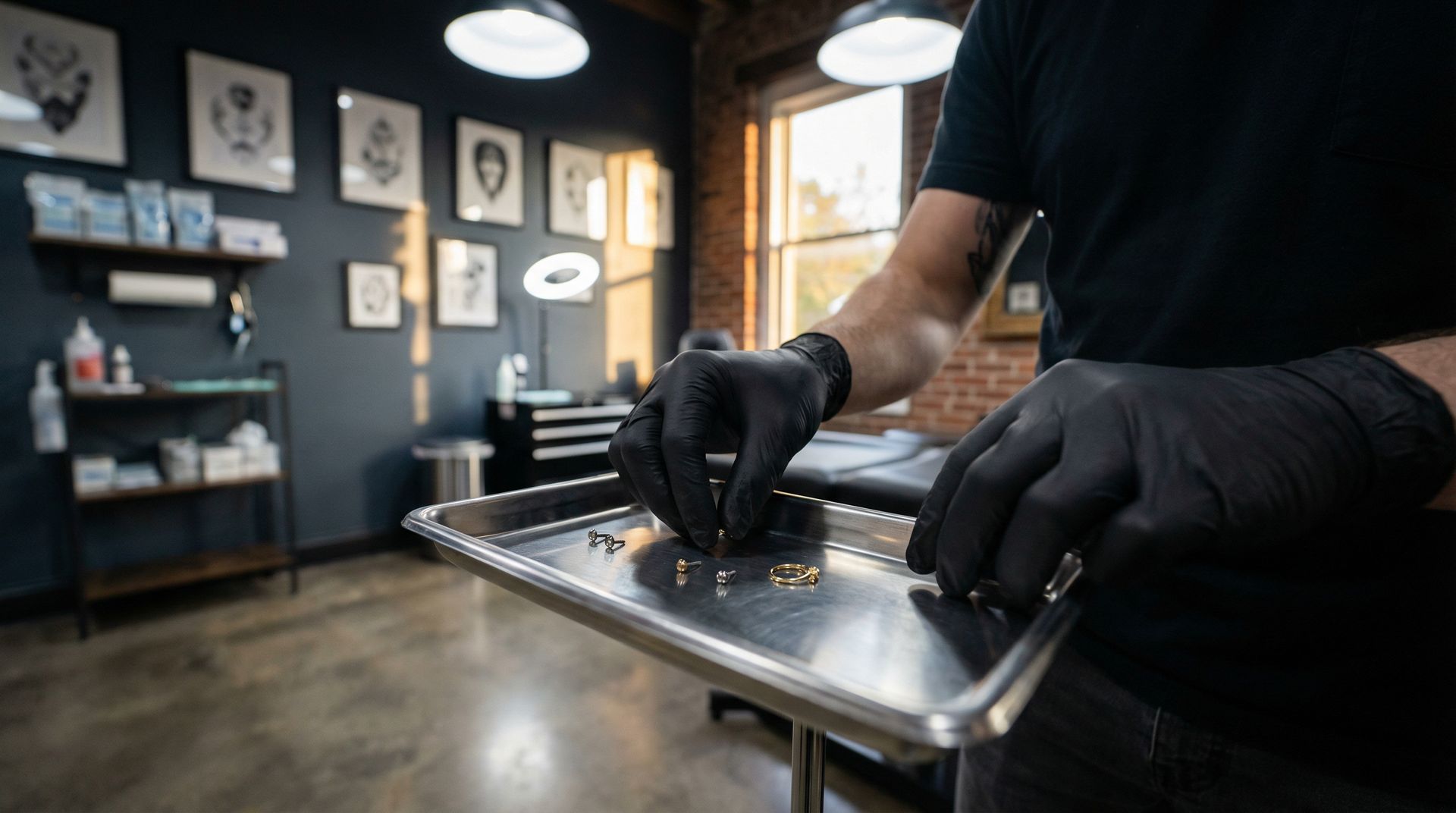
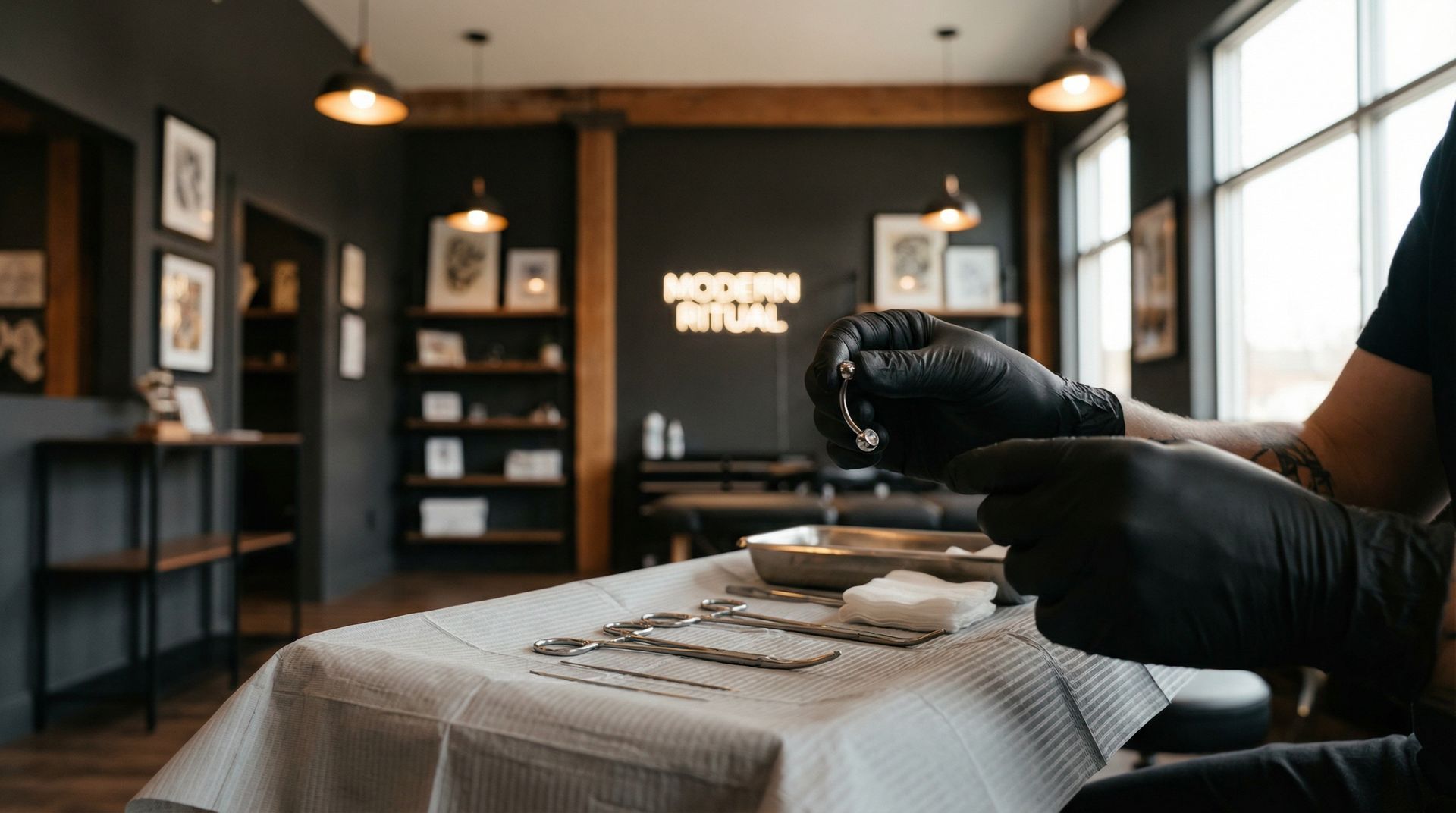
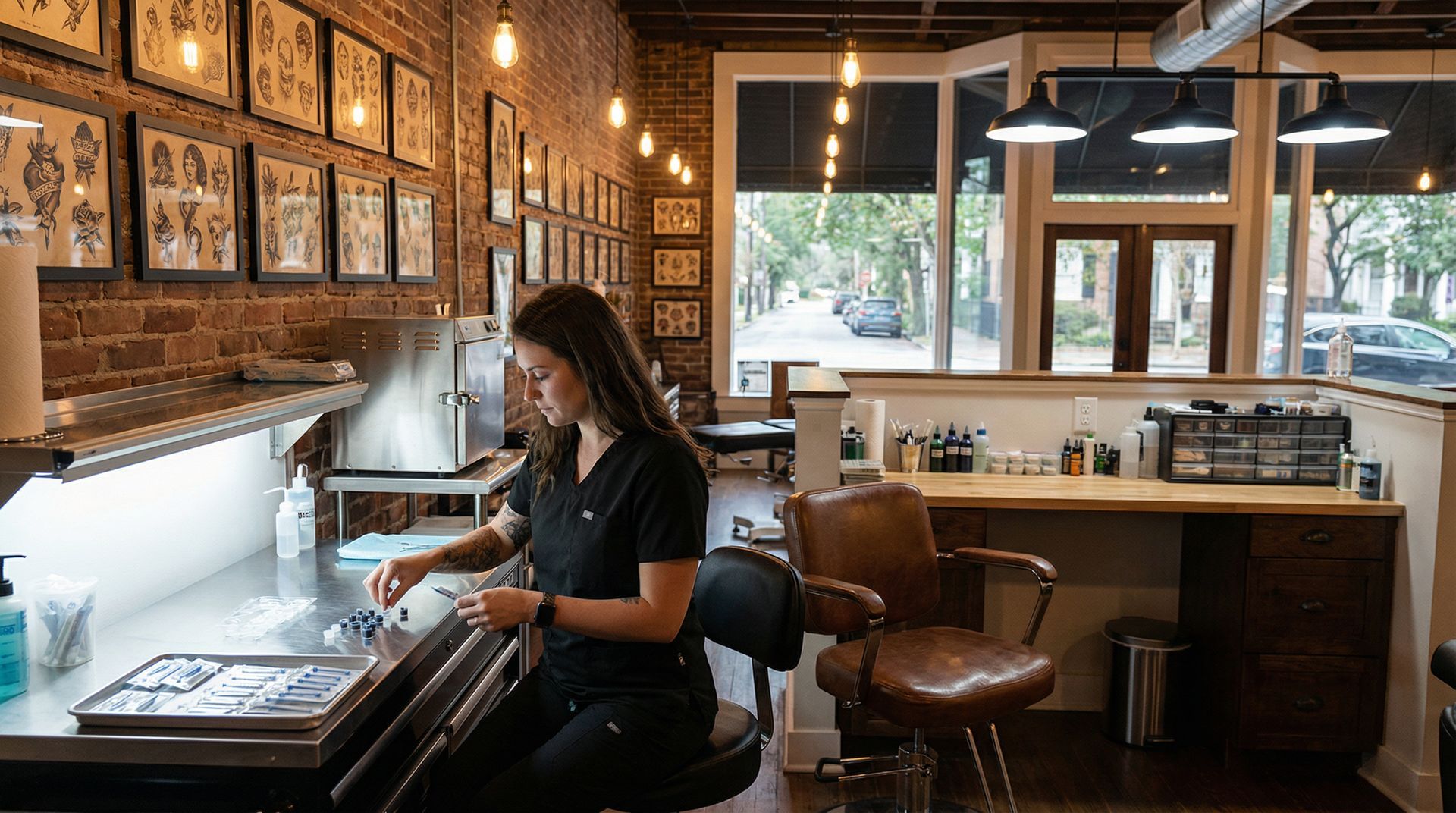
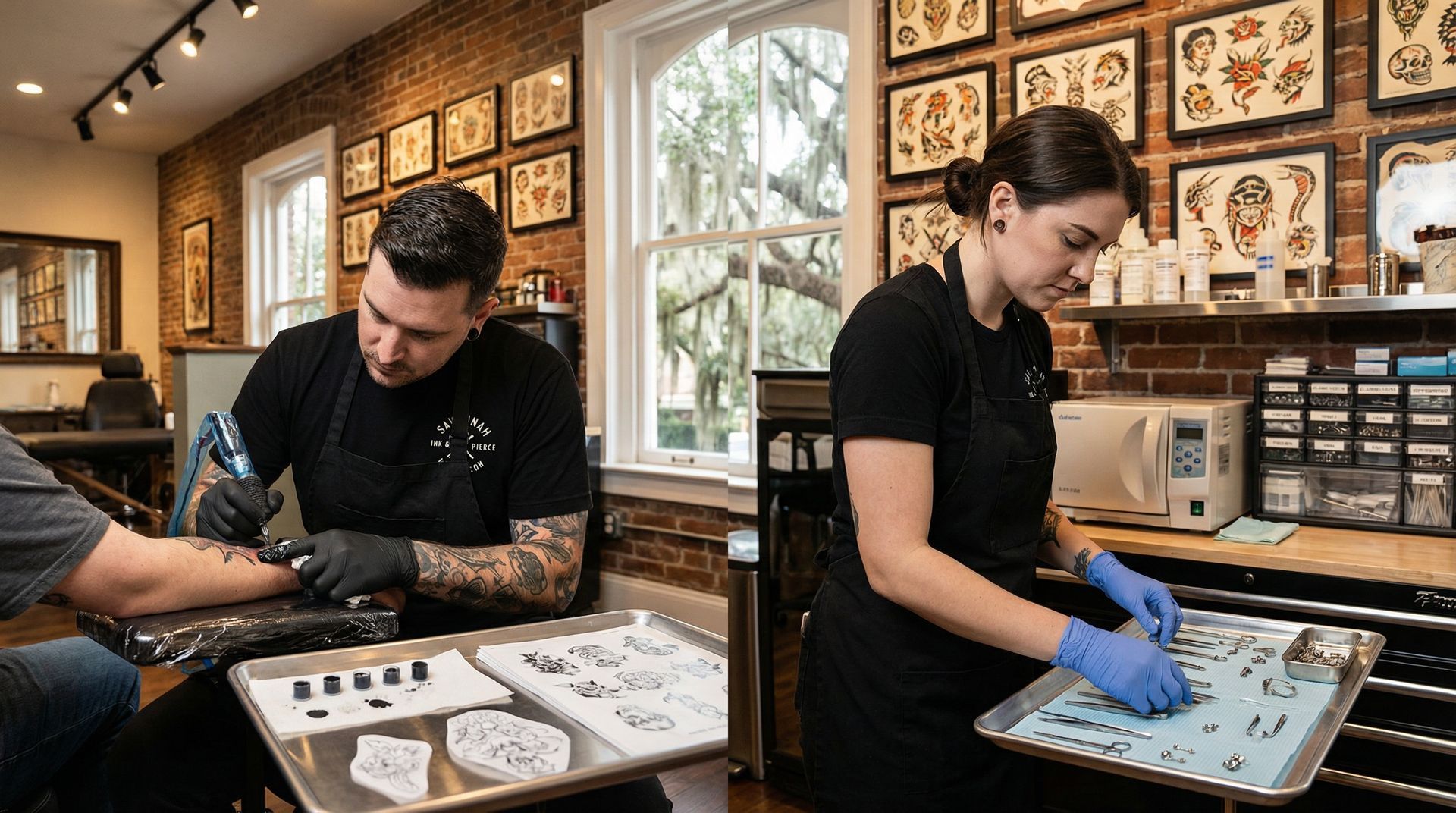
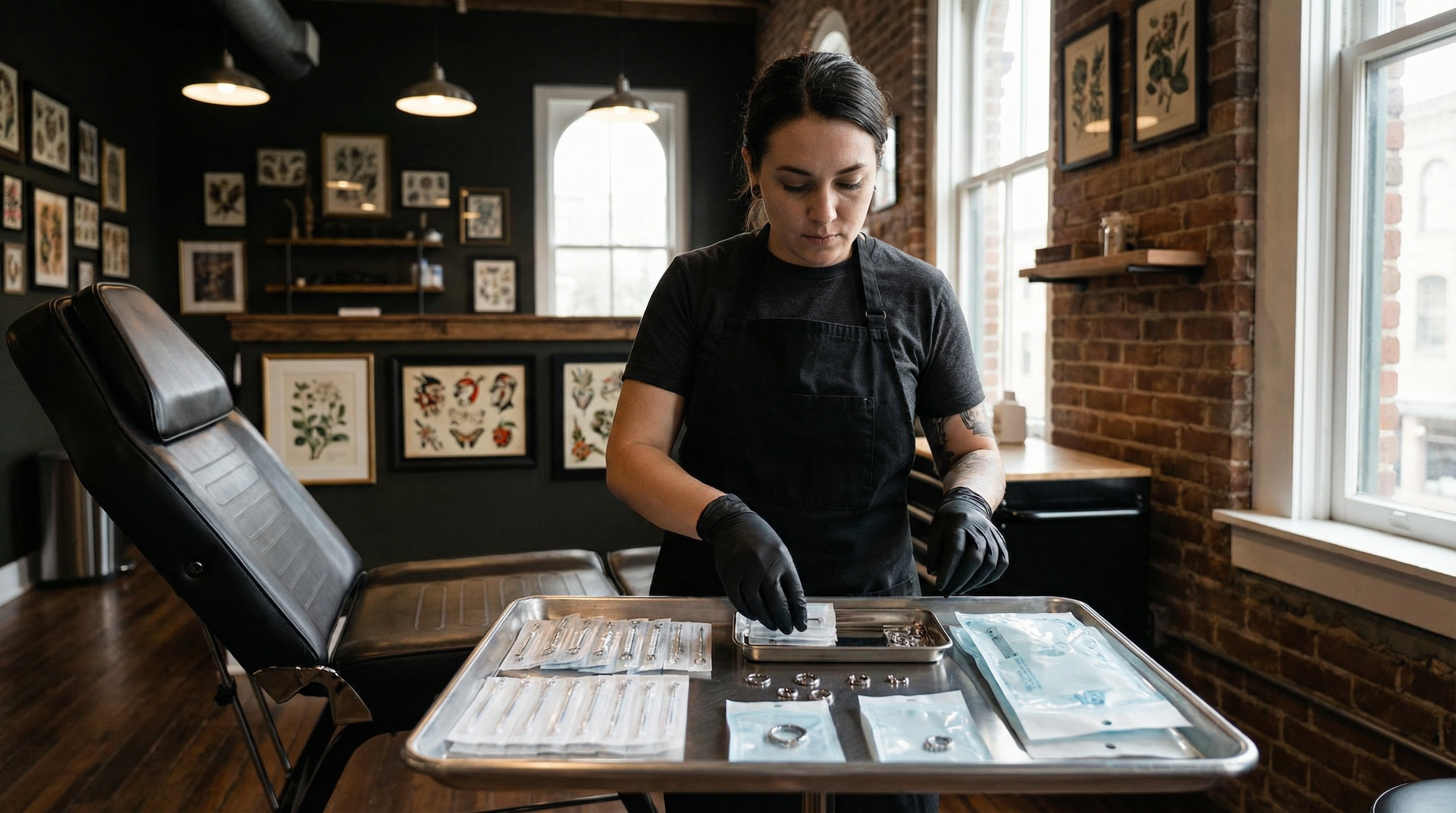
A professional piercing is done with single-use sterile needles (not a "piercing gun"), sterile tools, fresh gloves, and proper marking before the needle. Your piercer should talk you through what they're doing.
The piercing moment
You'll be positioned for stability. The piercer will confirm placement marks, have you breathe, perform the piercing quickly, and insert the jewelry immediately. Expect pressure and a sharp pinch, most are over in seconds.
Immediate aftercare instructions
Before you walk out, you should know how to clean it, what not to touch, what "normal healing" looks like, and when to come back for a check or downsize.
If you want a preview of the shop's piercing services and what you can get as a walk-in, see: Walk-in piercing services →
Jewelry fundamentals (plain language, no guesswork)
If your goal is "heals fast and looks great," jewelry choice is half the battle. Here's what matters most.
Implant-grade materials: why they're worth it
Your body is trying to heal a wound around a foreign object. If the jewelry is low-quality, plated, or mystery metal, your piercing can stay irritated for weeks. Look for implant-grade titanium , implant-grade surgical steel , or solid gold .
"Cheap" jewelry often causes persistent redness, itching, flaking, or bumps that keep coming back.
Threadless vs. Threaded Ends
Threadless jewelry uses a pin-tension fit. It's secure, smooth, and great for comfort, especially for ears and nostrils.
Threaded jewelry screws on. It can snag more and may need extra attention during tightening checks.
Proper Bar Length for Swelling
Initial jewelry is intentionally longer to allow room for swelling. Then comes downsizing , switching to a shorter post once swelling is down.
Downsizing reduces snagging, minimizes irritation bumps, and helps the piercing heal cleaner.
Recommendations by piercing type
Earlobes
- Usually heal smoothly with implant-grade studs
- Flat-back labrets are very comfortable
Helix / Cartilage
- Start with a flat-back labret
- Hoops can move and irritate early on
Nostril
- Flat-back labret is a go-to for stability
- Avoid thin, bendy jewelry early
Navel
- Anatomy matters a lot
- Curved barbells are common
Unsure what jewelry style is best? Meet our artists & see studio work →
💡 Tip: Set yourself up for an easy heal
Eat beforehand, hydrate, and skip alcohol the night before. Low blood sugar + nerves is the #1 reason people feel lightheaded during a piercing.
Aftercare that actually works: routine + healing timeline
Good aftercare is simple, consistent, and hands-off. Overcleaning and constant "checking" is where many piercings go sideways.
Your Basic Routine
- Clean hands only (no unwashed hands)
- Sterile saline (not homemade salt water)
- Gentle rinse in the shower to loosen crusties
- Pat dry with clean, disposable paper products
What to Avoid
- Twisting or spinning the jewelry
- Alcohol, peroxide, or harsh soaps
- Ointments that trap moisture
- "Miracle oils" and random DIY mixes
What's normal vs. not normal
Usually Normal:
- Clear or pale-yellow fluid that crusts
- Mild redness that improves over time
- Soreness if bumped
- Itchiness during healing (don't scratch)
Not Normal (Get Checked):
- Increasing redness that spreads
- Intense heat and throbbing that worsens
- Thick green discharge and strong odor
- Fever or feeling sick
Real-life healing tips for Savannah customers
Sleeping
For ear piercings, try a travel pillow and sleep with your ear in the hole. Avoid "testing it" by sleeping on it.
Gym and Sweating
Sweat isn't automatically "bad," but friction is. Wipe equipment, don't let straps rub, and clean with saline after.
Pools & Tybee Island
Avoid swimming until past early healing. If you must, keep it brief, rinse with clean water, then saline.
Snags
Be careful with hairbrushes, swap to softer shirts for navels, and avoid catching nostril jewelry on towels.
Troubleshooting common piercing problems
"I have a bump, what do I do?"
Most are irritation bumps. Go back to basics: sterile saline and hands off. Reduce pressure, and get assessed for jewelry fit.
"I snagged it and now it's angry"
Don't remove the jewelry. Rinse in the shower, then saline. Avoid sleeping on it. If swelling increases fast, get checked.
"Can I change it myself?"
Changing jewelry too early causes irritation. Wait for the appropriate healing stage and have a piercer handle the first change.
What to bring for a smooth walk-in visit
Your next step: get pierced with confidence
A great piercing isn't just the moment the needle goes through, it's the anatomy assessment, the implant-grade jewelry choice, the sterile setup, and the aftercare plan.
Call Resurrection Ink at 912-352-9926Walk-ins welcome in Savannah, GA