Tattoo and Piercing FAQs (Savannah, GA): ID, Age, Pain, Healing, Walk-Ins, and Policies
Still have questions before you come in?
Call 912-352-9926 or review booking details for tattoos and policies.
You’ll get clearer timing, smoother check-in, and fewer surprises.
You’re ready to come in—but you still have a few quick questions that could change your whole plan: Do you need an appointment? What ID do you bring? Can you get pierced as a minor? How bad does it hurt, and can you hit Tybee right after? Getting clear answers up front makes your visit smoother, safer, and way less stressful.
Below are the most common tattoo and piercing FAQs in Savannah, GA —covering booking, policies, safety, pain, and healing.
Booking & Process FAQs (Walk-ins, appointments, deposits, what to bring)
Can I walk in for a tattoo in Savannah, or do I need an appointment?
Both happen—here’s the simple way to think about it:
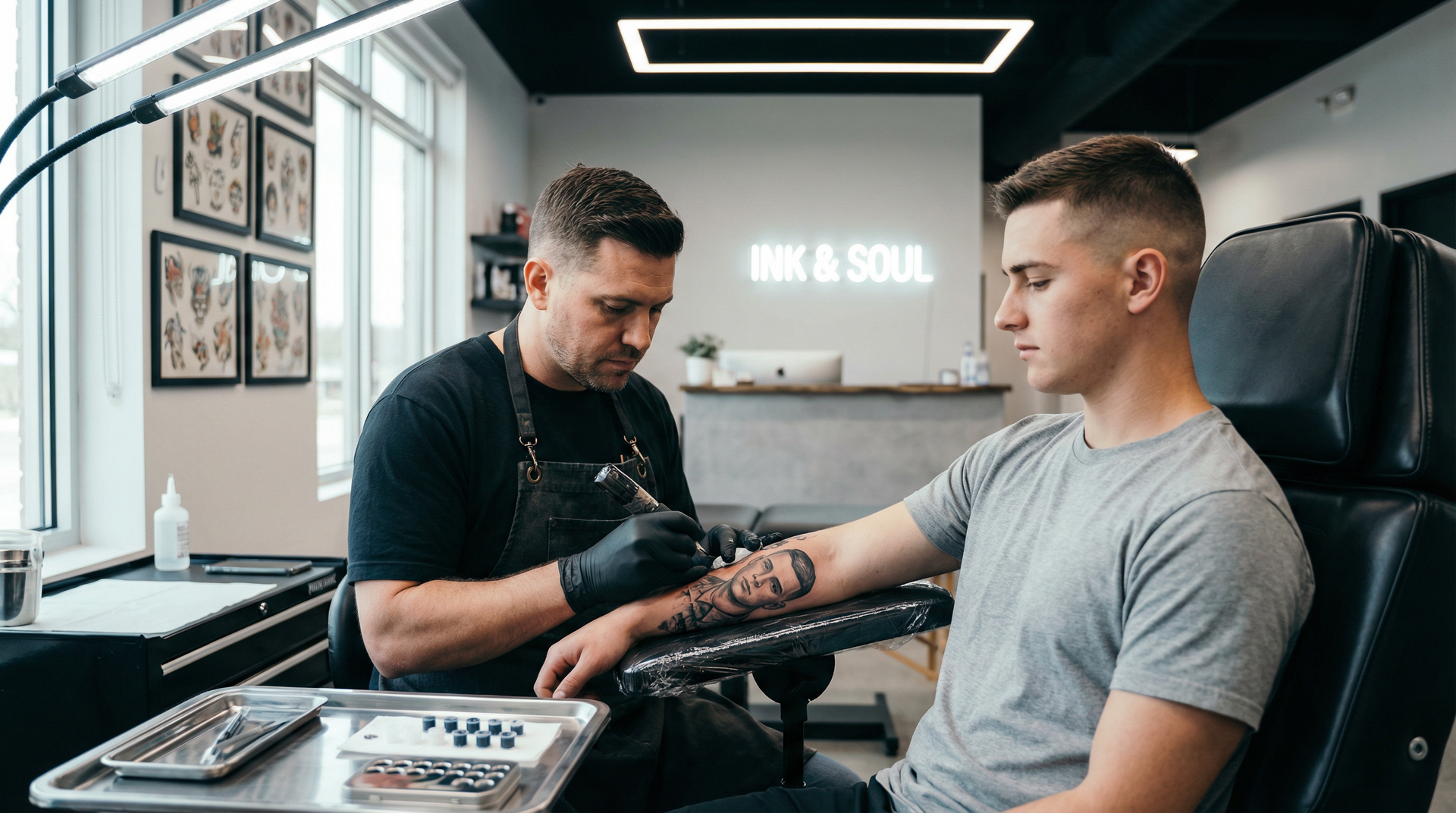
- Walk-in tattoos are usually best for small to medium pieces , simpler blackwork, flash-style designs, or straightforward placements.
- Appointments are best for larger custom tattoos , detailed realism, neotraditional work, cover-ups, or anything that needs more planning time.
Even when walk-ins are available, there can be a wait—weekends and evenings are usually the busiest.
Helpful pages:
Are piercings walk-in?
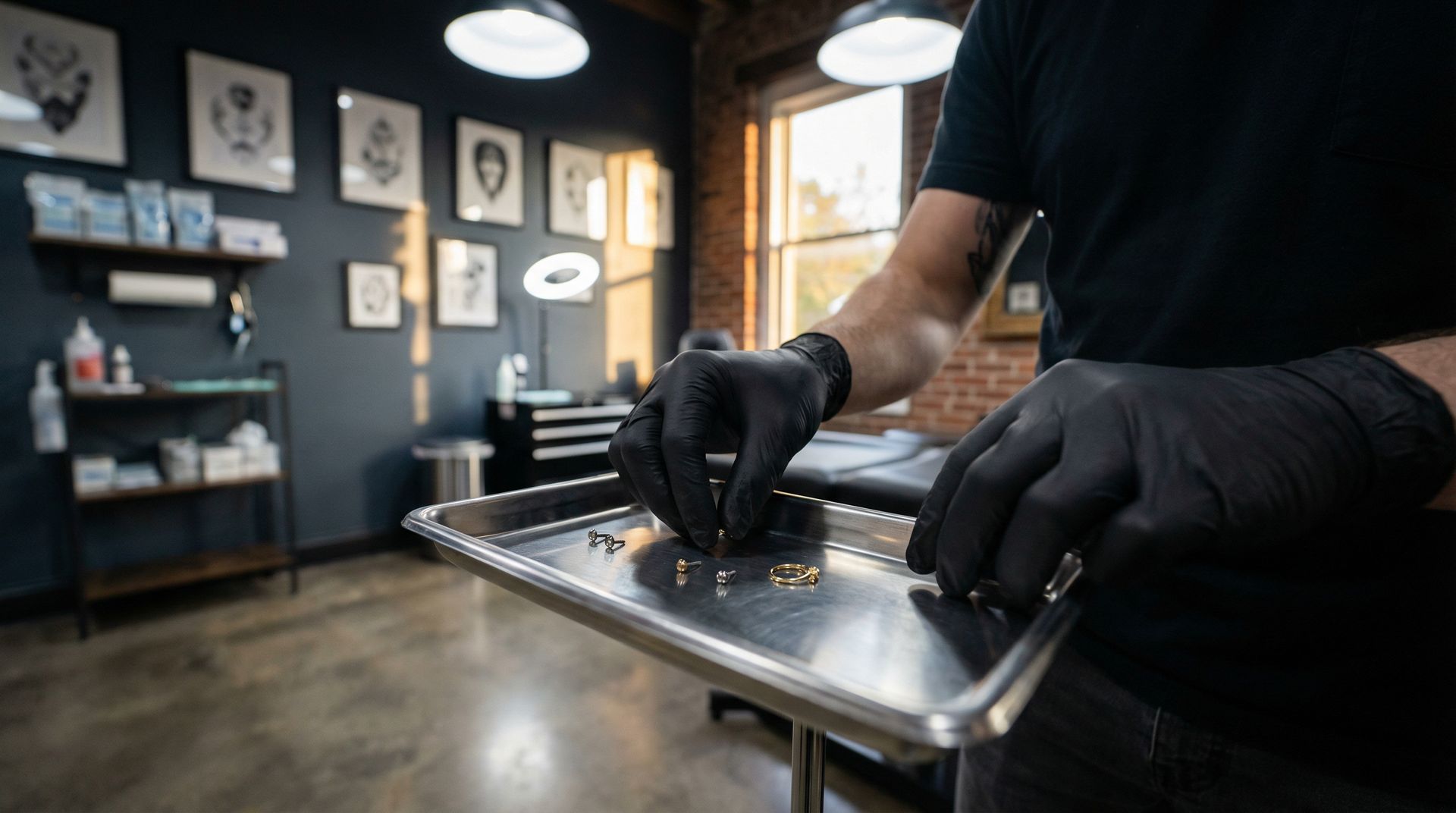
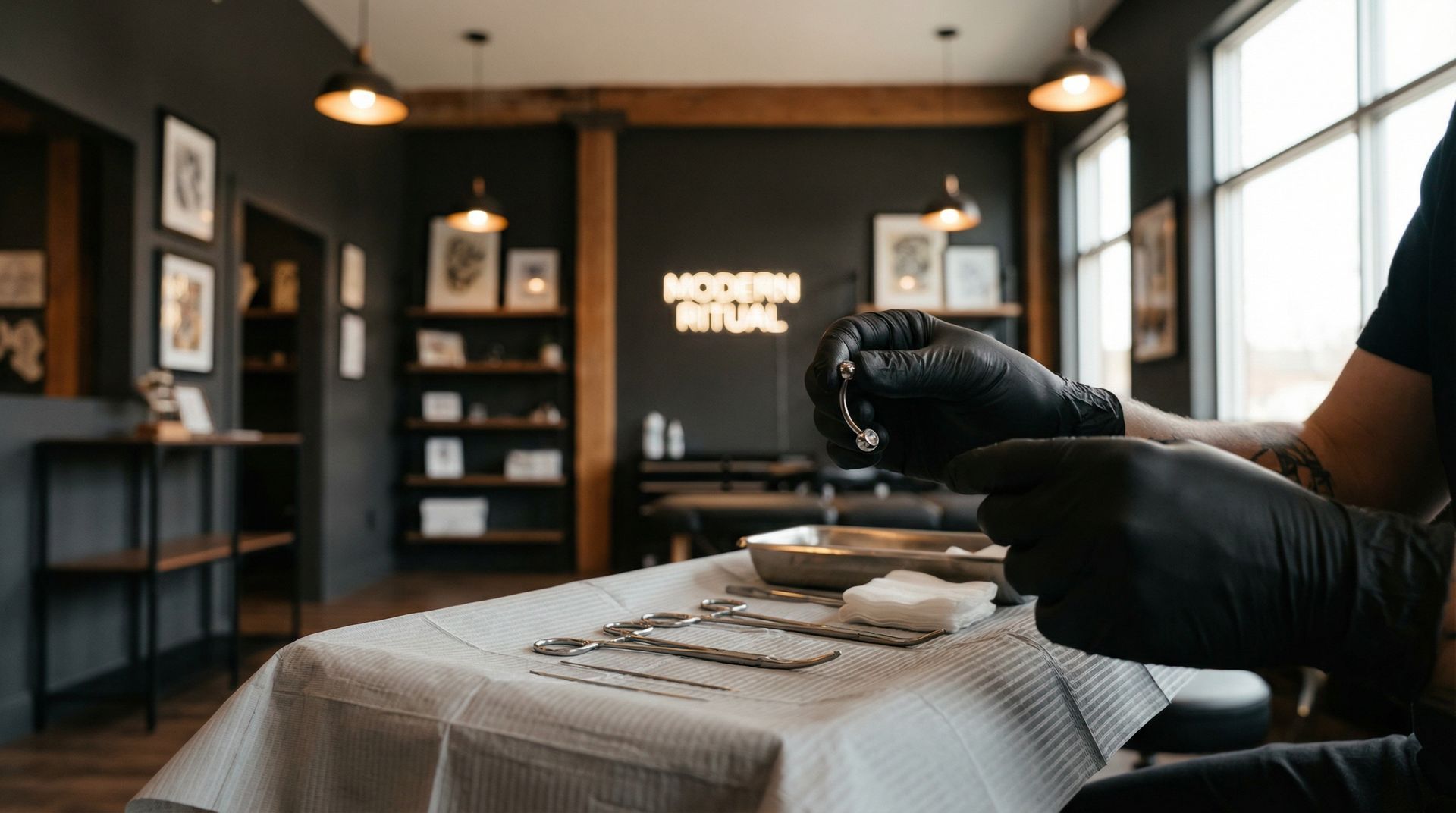
Most piercings are handled walk-in , so you can usually come in without planning weeks ahead. That said, busier times can mean a wait, and some anatomy checks or jewelry selections may take a little extra time.
How do tattoo deposits work?
For tattoo appointments, a $100 deposit is required to secure your appointment , and that deposit applies toward your tattoo . Deposits are there to lock in your time and make sure your artist can prep properly (designing, sizing, stencil planning, etc.).
A good rule: the more custom the piece, the more important that appointment slot is.
Do you do consultations first?
For many custom tattoos, yes—either a quick in-person conversation or a consultation-style chat to nail down:
- placement and size
- style references (realism vs. blackwork vs. neotraditional, etc.)
- color vs. black and gray
- budget range and timing
- whether it’s a cover-up and what’s possible
If you’re unsure, a consult saves you money and surprises later.
What ID do I need?
Bring a valid, government-issued photo ID . That generally means a driver’s license, state ID, passport, or military ID.
If you’re getting a piercing and you’re not 18, you’ll need to be ready for stricter ID/consent requirements (more on that below).
What should I bring to my tattoo or piercing appointment?
Here’s what makes your visit easy:
- Photo ID
- Payment method (ask up front if you want to use a specific type)
- Water + a snack (especially for longer tattoos)
- Headphones if you like to zone out
- Comfortable clothing that allows access to the area (or can be moved without fighting it)
For Savannah specifically: if it’s hot and humid (which it often is), dress so you don’t overheat while sitting.
How long does a tattoo take? How long does a piercing take?
It depends on size, detail, and placement.
Tattoos
- Small/simple: often 30–90 minutes
- Medium custom: 1–3+ hours
- Larger realism/neotraditional: may be multiple sessions
Piercings
- The piercing itself is quick, but plan for 20–45 minutes
total for:
- jewelry selection
- cleaning/marking
- the piercing
- aftercare instructions
What should you expect on your first visit?
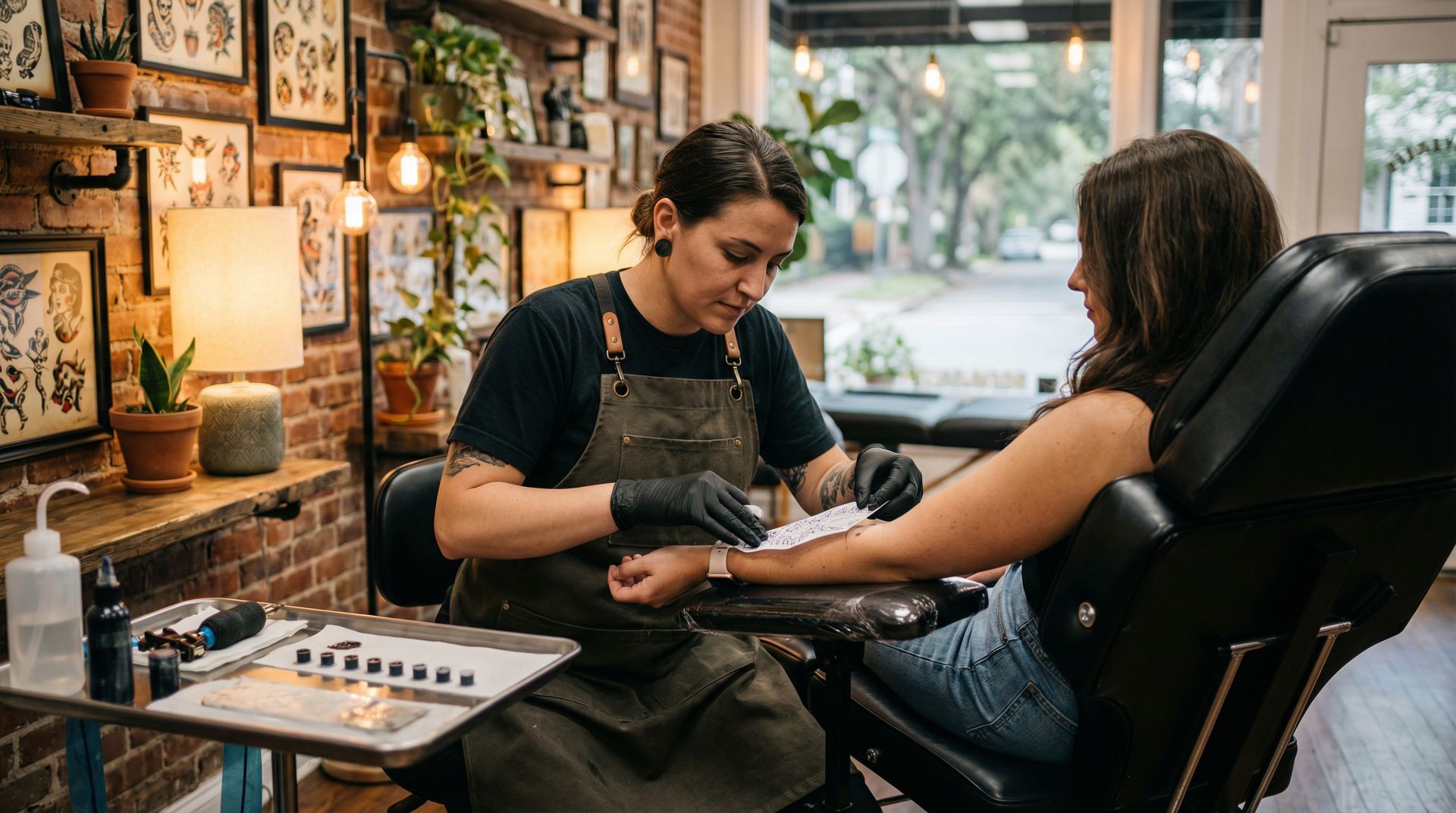
If it’s your first tattoo or piercing, you can expect:
- check-in + ID verification
- a quick review of your plan (placement, jewelry choice, size)
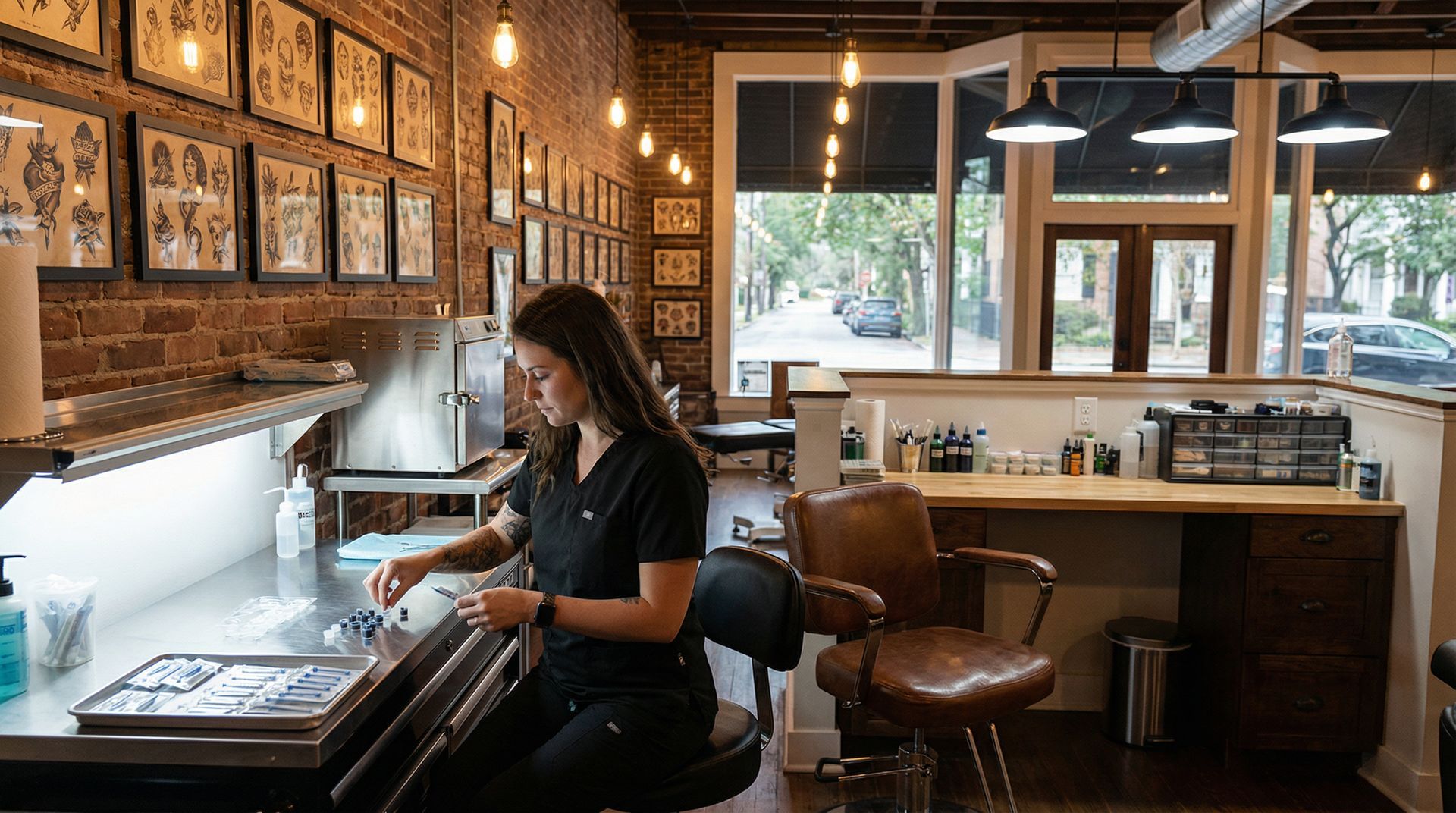
- prep/sterile setup
- the service
- aftercare instructions you can actually follow
If you’re anxious, say so—good artists and piercers would rather slow down and make sure you’re comfortable than rush you.
Not sure if you’re a walk-in or appointment situation?
Call 912-352-9926 and we’ll help you pick the right timing (especially if you’re visiting Savannah).
Safety & Eligibility FAQs (Age, sobriety, sunburns, health situations, refusal of service)
How old do you have to be to get a tattoo in Georgia?
In Georgia, you must be 18+ to get tattooed . Bring your ID—no guesswork, no exceptions.
How old do you have to be to get pierced?
Piercing age policies can vary depending on the piercing and the consent/ID situation. If you’re under 18, expect to need:
- a parent/legal guardian present
- valid IDs for both of you
- possibly documentation that proves guardianship (depending on the situation)
Because different piercings have different suitability and consent considerations, it’s smart to confirm details before you make the trip.
Do you have to be sober?
Yes. Georgia body art rules require that body art not be performed on anyone who is under the influence of alcohol or drugs. If you come in impaired, you’ll be refused service—even if you “feel fine.”
This isn’t about judging you. It’s about consent, bleeding, healing risk, and keeping the studio safe.
What if you’re sick, sunburned, or coming off antibiotics?
These are common reasons reputable studios will pause or reschedule.
- Sick (fever, flu symptoms, contagious cough): come back when you’re well. Your immune system matters for healing.
- Sunburned: tattooing or piercing compromised skin is a bad idea. Sunburned skin is inflamed and can heal poorly.
- Antibiotics / active infection: you may be asked to wait until you’re finished and stable.
- Skin issues (rash, irritation, bug bites) at the site: you’ll likely need to choose a new placement or reschedule.
Savannah note: a lot of visitors come in after beach time. If you’re pink or peeling from the sun, plan to wait.
If you’re headed to Tybee or out on a boat, do that before your tattoo/piercing day—not after. Sun exposure, sand, sweat, and saltwater can all complicate fresh work.
Why would a reputable studio refuse service?
It can be frustrating in the moment, but refusal is usually a sign the studio is doing things right. Common reasons include:
- you’re underage or don’t have the required ID/consent
- you appear impaired
- the skin is sunburned, irritated, or unhealthy
- the request isn’t safe for your anatomy (common in piercing)
- the design/placement choice won’t hold up well over time (especially very small text, tiny detail, or certain finger/hand placements)
- you’re pushing for something that isn’t realistic for the timeframe (like a large realism piece in a short walk-in window)
What about consent forms and aftercare support?
Expect to fill out a consent form and answer basic health questions. After your tattoo or piercing, you should leave with:
- clear aftercare instructions
- the ability to ask questions if something feels “off” later
Pain FAQs (What hurts most, what helps)
How bad does a tattoo hurt?
Pain depends on placement, your stress level, sleep, and hydration. In general:
- Easier spots: outer arm, forearm, upper back, calf
- Spicier spots: ribs, sternum, hands/fingers, feet/ankles, elbows/knees, inner bicep, collarbone/neck
Blackwork can feel more intense because of saturation, and realism sessions can be long—so endurance matters as much as pain.
How bad does a piercing hurt?
Piercings are quick. The sensation is usually a sharp pinch and pressure, then it calms down. Some piercings (like cartilage) can feel sore or hot afterward for a bit.
What helps most:
- eat beforehand
- hydrate
- don’t come in hungover
- plan a calm rest of the day
Healing & Lifestyle FAQs (Swimming, sun, workouts, sleeping, jewelry changes, touch-ups)
How long does a tattoo take to heal?
Most tattoos look “settled” on the surface in 2–4 weeks , but deeper healing can take longer. Your aftercare matters—especially in humid Savannah weather where sweat is a factor.
General tips:
- keep it clean
- don’t over-wash
- don’t pick peeling skin
- avoid tight, rubbing clothing on the area
When can you swim after a tattoo?
Avoid pools, hot tubs, oceans, and rivers until the tattoo is healed enough that the skin barrier is solid again—often 2–4 weeks depending on how you heal and where it is.
Saltwater and chlorine aren’t “cleansing.” They’re irritants for fresh tattoos.
When can you swim after a piercing?
Swimming is also risky for new piercings because you’re introducing bacteria to a healing wound. Healing time varies widely by piercing type, so the safest move is to follow your piercer’s aftercare timeline and be cautious with any submersion early on.
Can you work out after a tattoo or piercing?
Usually, yes—with common sense.
After a tattoo:
- Light workouts are often fine if you’re not rubbing the area or soaking it in sweat.
- Avoid friction-heavy movements (like a barbell rubbing a fresh shoulder tattoo).
After a piercing:
- Avoid movements that snag or compress jewelry.
- Clean gently after sweating.
If your job is outdoors (Savannah construction, landscaping, dock work), plan for extra protection from sun, dirt, and friction.
Can you sleep on a new piercing?
Try not to. Pressure and friction can cause swelling and irritation bumps. If you just got an ear piercing, consider:
- a travel pillow/donut pillow
- sleeping on the opposite side
- keeping hair and bedding clean
When can you change piercing jewelry?
Don’t rush it. Changing jewelry too early is one of the most common reasons piercings get irritated, swollen, or set back.
If you need a downsize/adjustment (common after initial swelling), it should be done with sterile technique and proper jewelry—often implant-grade surgical steel or other high-quality materials chosen by your piercer.
What if my tattoo needs a touch-up?
Touch-ups depend on the piece and placement. Fine details, high-friction areas, or spots that heal dry can sometimes need a little refresh. Wait until it’s fully healed before assessing it.
If you’re planning travel, beach time, or a big outdoor weekend, that can affect healing—so schedule accordingly.
Want help choosing between a walk-in and an appointment (or figuring out timing around travel)? Call Us Now at 912-352-9926 or use this page for details: https://www.resurrectionink.com/tattoos
“When should I contact the studio?” (Quick list for tattoos + piercings)
Contact the studio if you notice any of the following:
For tattoos
- redness that keeps spreading after the first couple days
- increasing warmth, swelling, or throbbing pain that’s getting worse (not better)
- thick yellow/green discharge or a strong odor
- fever or feeling ill
- an allergic-type reaction (hives, intense itching beyond normal healing)
For piercings
- worsening swelling after the initial period
- jewelry feeling too tight (embedding risk)
- severe heat, spreading redness, or thick discharge
- bumps that rapidly grow or become very painful
- any concern that the piercing angle shifted due to trauma/snags
When in doubt, ask. It’s always easier to fix a small issue early than salvage an irritated piercing or overworked tattoo later.
A few “good-to-know” local tips before you head in (Savannah edition)
- Heat + humidity: fresh tattoos don’t love heavy sweat. Plan errands and workouts around your first few days.
- Sun is a big deal: even a short walk on River Street can add exposure. Keep fresh work covered (and follow aftercare guidance on when sunscreen is appropriate).
- Beach weekends: schedule tattoos/piercings so healing time isn’t fighting sand, saltwater, and sun.
If you want to browse what styles you’re drawn to before you decide, these pages help:
Wrap-up: come in confident, not guessing
Most “bad experiences” start with small misunderstandings—showing up without ID, coming in sunburned, assuming you can swim the next day, or not realizing a $100 deposit is required to secure a tattoo appointment. Once you know the basics, the whole process feels simple.
Still have questions before you come in?
Call Us Now at 912-352-9926 and we’ll help you plan your visit.