Tattoo vs. Piercing: Which Should You Get First? Pain, Healing Time, and Lifestyle Factors
We’ll help you pick what fits your calendar, pain tolerance, and lifestyle right now.
You’ve been thinking about it for weeks (or years): you want new body art, but you’re stuck on the first step. Do you start with a tattoo or a piercing? The “right” answer isn’t the same for everyone—because pain tolerance, healing time, work rules, sports, travel plans, and even your sleep position can make one option way easier to live with than the other.
Tattoo vs piercing: what you’re really deciding
When customers ask “tattoo vs piercing,” they’re usually trying to predict three things:
- How much it’s going to hurt
- How long healing will affect day-to-day life
- How much maintenance and rule-following it takes
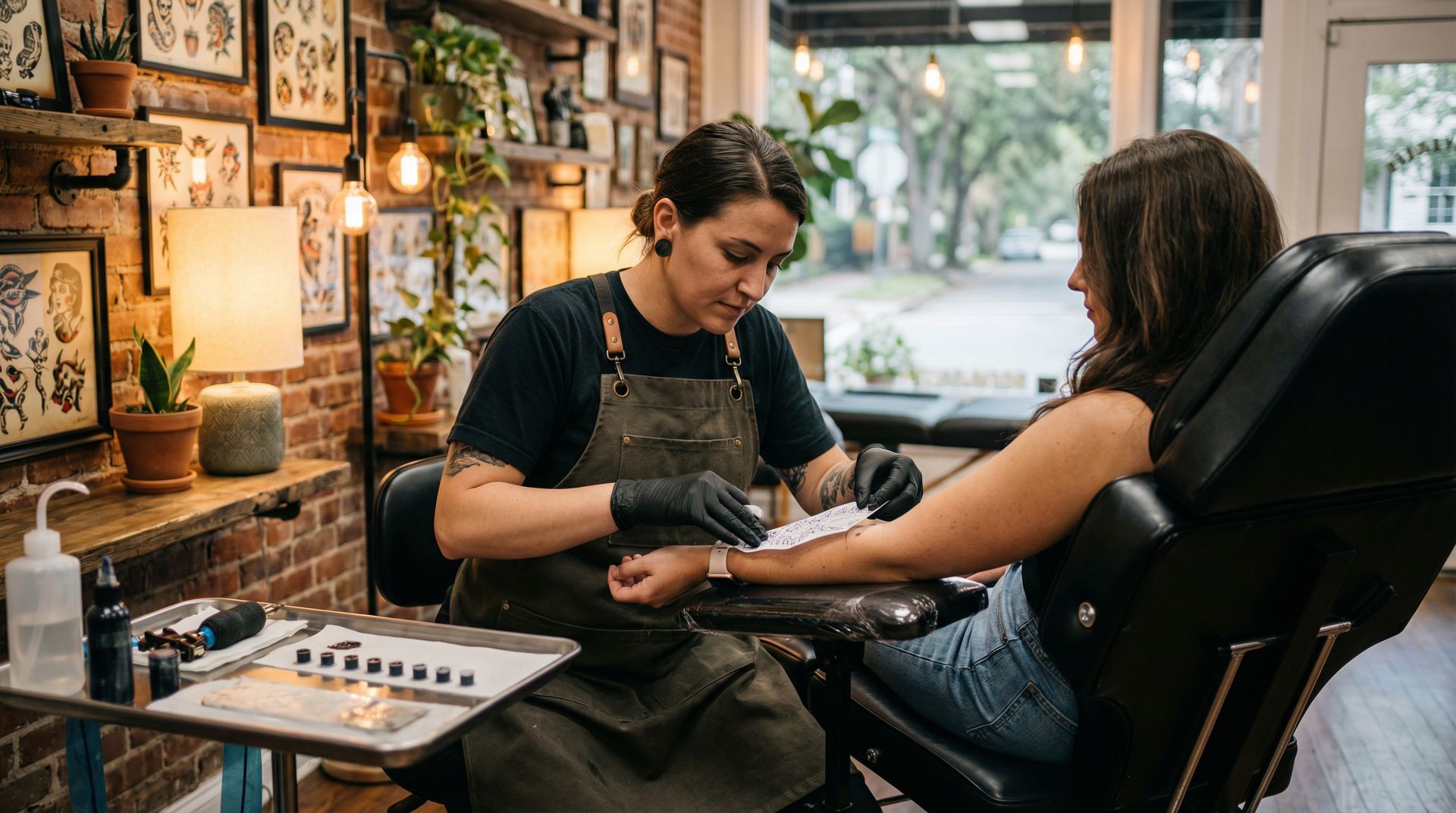
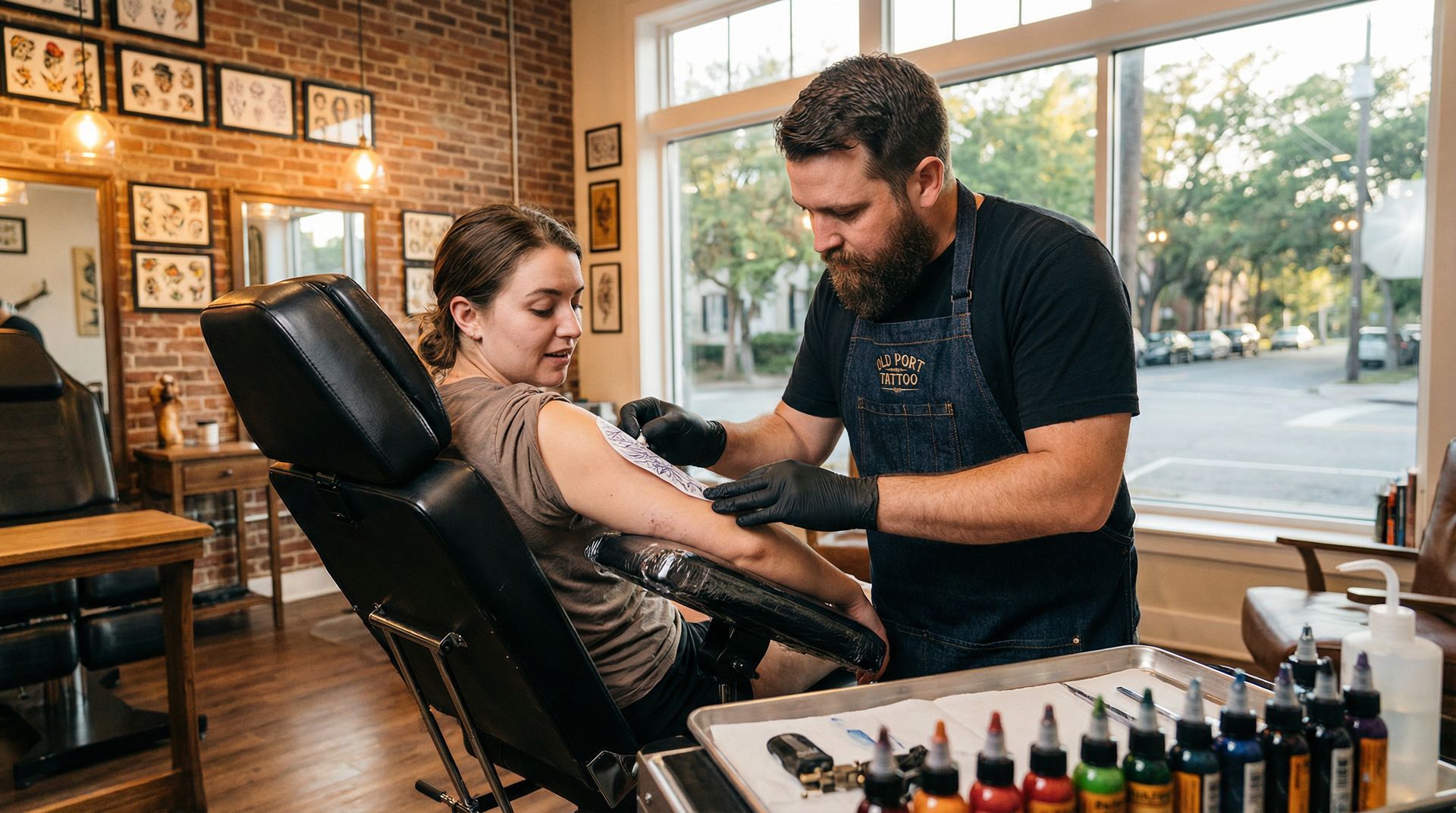
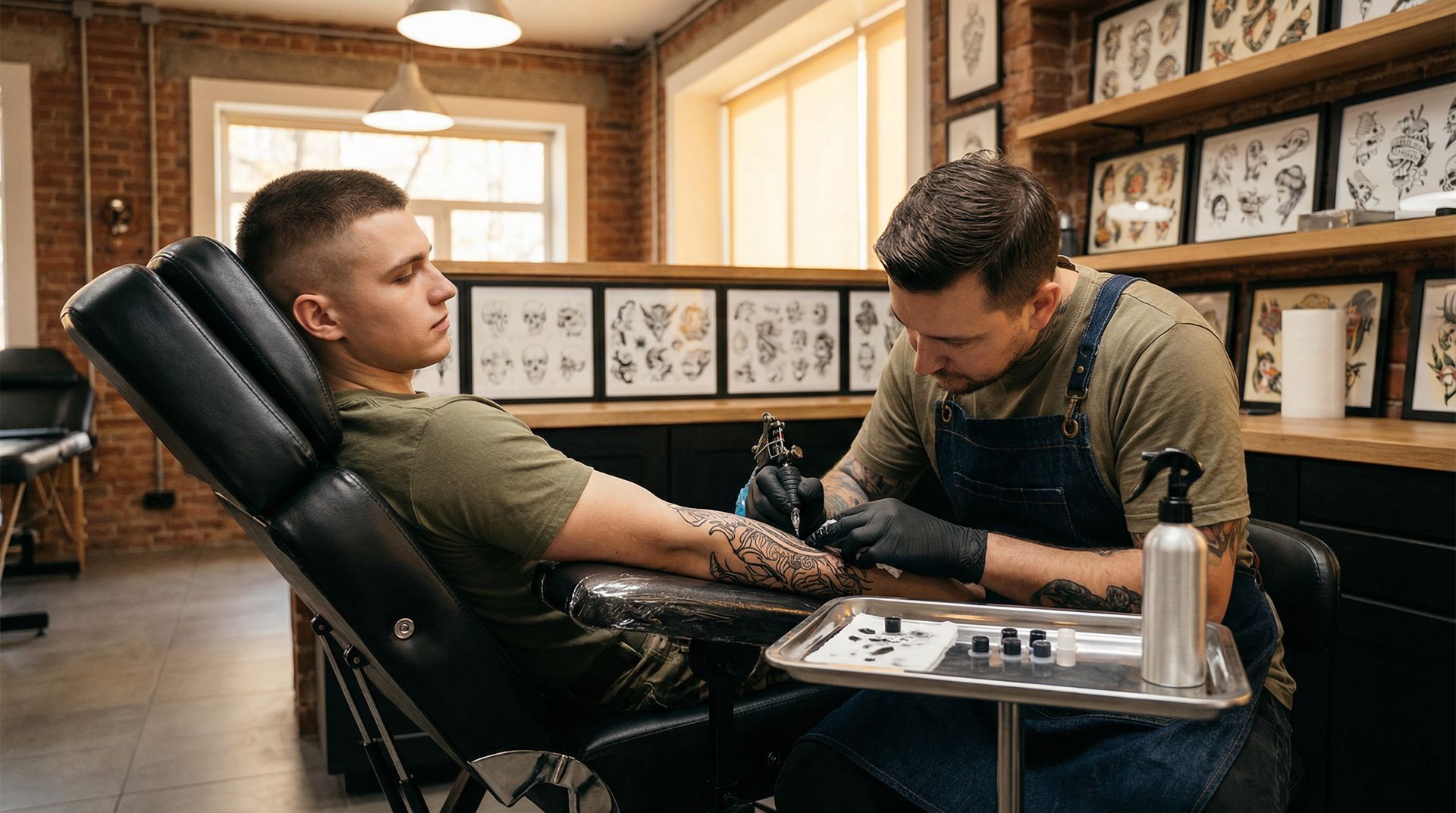
A tattoo is a controlled wound made by needles depositing ink into the skin. A piercing is a puncture wound that has to form a stable channel (fistula) around jewelry. Both are safe when done professionally, but they behave differently once you leave the studio.
The best “first” choice is the one that fits your calendar and lifestyle right now , not just the one you’re most excited about.
Pain: which hurts more—tattoos or piercings?
Pain is personal, but the type of pain is different.
Tattoo pain (what it feels like)
Most people describe tattooing as:
- a hot scratch
- a repeated sting
- a steady irritation that ramps up over time
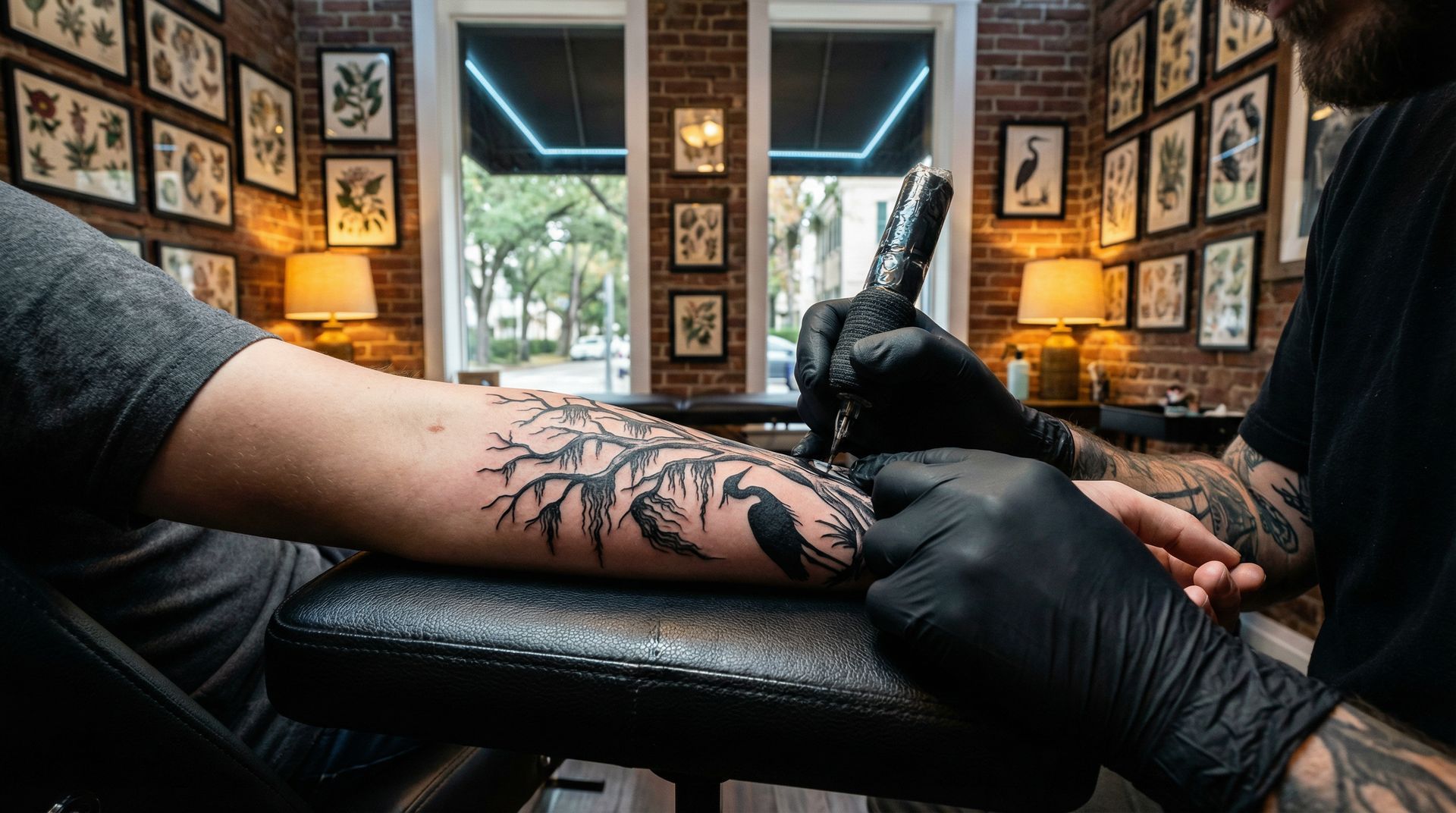
Where it’s placed matters a lot. A palm-sized blackwork piece on your upper arm is a totally different experience than fine-line work on ribs or a realism piece near the knee.
Tattoos tend to be:
- more tolerable at first, then tiring during longer sessions
- easier to mentally “ride out” because it’s predictable and controlled
- more sensitive on bony areas, thin skin, and high-nerve zones
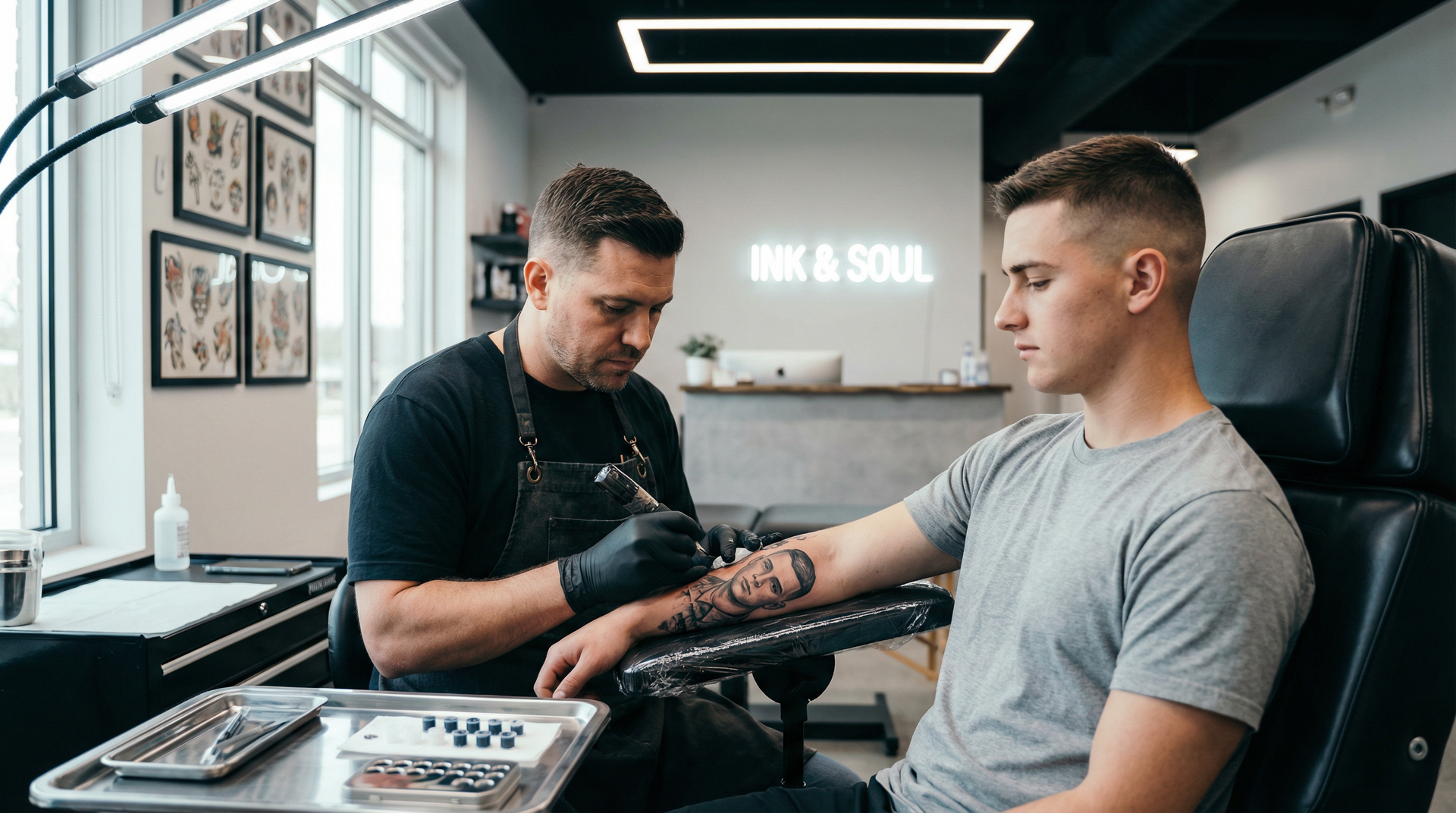
If you’re exploring styles like blackwork, neotraditional, or realism , keep in mind that heavier saturation, layering, and longer session time can increase discomfort.
Want to get a feel for different styles before you commit? Check out Meet our artists & view tattoo styles.
Piercing pain (what it feels like)
Piercings are usually:
- fast and sharp (a quick pinch/pressure)
- followed by warmth and throbbing
- most intense during the moment of the procedure, then more noticeable for a few days
Piercing pain varies a lot by placement:
- Earlobes are usually quick and mild.
- Cartilage tends to feel sharper and can ache longer.
- Nostril is brief but can make your eyes water.
- Navel can be spicy during piercing and tender during healing.
A major difference: tattoos usually stop hurting once the session ends (though they’re sore). Piercings can be annoyingly tender when bumped, slept on, or snagged—especially early on.
If you’re weighing options, browse Professional body piercing services to compare placements and aftercare expectations.
Healing time: tattoos usually heal faster on the surface (but piercings heal longer overall)
Healing is where the “tattoo vs piercing” decision gets real.
Tattoo healing timeline (typical)
- Days 1–3: swollen, warm, “sunburn” feeling
- Days 4–14: peeling/flaking stage, itching
- Weeks 3–6: looks mostly healed, skin still settling
- 1–3 months: deeper layers finish calming down (varies by size, placement, and saturation)
Tattoos are high-maintenance for a shorter window . If you follow good aftercare and avoid soaking/sun, most of the annoying part is done within a couple weeks.
Piercing healing timeline (typical)
Piercings can look “fine” quickly, but internally they’re still healing. Common ranges:
- Lobes: often a couple months
- Nostril: several months
- Cartilage: many months (sometimes longer)
- Navel: can take a long time to fully settle
Piercings are lower daily effort (cleaning is simple), but they require long-term patience . You can’t treat a healing piercing like it’s permanent and stable after two weeks—because bumps, irritation, and delayed swelling can pop up later.
If you have a big event coming up (wedding, photos, vacation, beach week), a tattoo may be easier to time because the “don’t do this” list is intense but shorter. Piercings are more likely to still be in a sensitive phase months later.
Want a quick recommendation for your timeline?
Tell us what you’re considering (tattoo style or piercing placement) and what your next 4–12 weeks look like. We’ll point you toward the option that’s easiest to live with.
Walk-ins available 7 days a week.
Lifestyle factors that should make your decision for you
Here’s where most people find their answer.
1) Your job’s dress code and visibility rules
If your workplace is strict about visible body modifications:
- A tattoo can often be placed where it’s easily covered (upper arm, thigh, back).
- A piercing might be harder to hide depending on the location (nostril, lip), and changing jewelry too early can cause irritation or closure.
If you need discretion, start with a tattoo in a coverable area or a piercing that’s easy to conceal (depending on what your piercer recommends).
2) Sports, gym time, and physical hobbies
If you do jiu-jitsu, basketball, yoga, CrossFit, or anything with contact/sweat/friction:
- Fresh tattoos hate friction + sun + soaking. Sweat is manageable, but you’ll want to be smart for the first couple weeks.
- Fresh piercings can get angry from pressure, bumps, helmets, earbuds, and snagging.
Examples:
- If you wear headphones/helmets often: avoid fresh cartilage piercings right before a training block.
- If you swim regularly: either option needs planning, but piercings can be especially finicky with prolonged moisture and exposure.
3) Sleep position
This one surprises customers:
- If you’re a side sleeper , a fresh cartilage piercing can be a nightmare.
- Tattoos can also be uncomfortable to sleep on, but you can usually choose a placement that won’t be under pressure all night.
If you can’t change how you sleep, don’t pick a piercing that forces you to.
4) Travel and water plans (Tybee, pools, boats)
Savannah life often includes beaches, boats, pools, and weekend trips. Both tattoos and piercings hate soaking while healing.
If you’ve got water plans soon:
- A tattoo might work if you can schedule it far enough ahead to finish the peeling phase and avoid soaking.
- A piercing may still be healing months later—meaning you’ll still need to be cautious.
5) Maintenance personality: are you “set it and forget it” or detail-oriented?
Be honest:
- Tattoos need careful aftercare early: washing, moisturizing, avoiding picking, keeping it protected.
- Piercings need consistency over time: saline cleaning, not twisting jewelry, not sleeping on it, not changing jewelry too soon.
If you know you’re likely to “mess with it,” start with the option you can leave alone more easily (often a tattoo).
If you need something that’s mostly “done” in a few weeks, start with a tattoo. If you’re okay with a long healing runway and can avoid bumping/sleeping on it, a piercing can be a great first step.
Which should you get first? Common scenarios (so you can pick fast)
Start with a tattoo first if…
- You have a vacation, lake day, or pool season coming up and can schedule around 2–3 weeks of strict healing.
- You want something easy to hide for work.
- You want a result that looks “finished” sooner.
- You’re planning a larger style piece (blackwork, neotraditional, realism) and want to build your collection intentionally.
Explore options and booking details here: Custom tattoo services.
Start with a piercing first if…
- You want something quick, small, and budget-friendly to test your comfort level.
- You’re not ready to commit to permanent ink placement yet.
- You want to change your look immediately with jewelry.
- You’re okay with a longer healing timeline and can follow aftercare rules.
See piercing options and safety info here: Body piercing services and aftercare.
The “first timer” factor: anxiety and commitment
If you’re nervous, piercings often feel like a gentler entry point because the procedure is quick. But commitment-wise, tattoos can actually be simpler emotionally—because once the tattoo is healed, you’re not babysitting it.
Piercings can require:
- returning for downsizing (depending on placement)
- resisting the urge to change jewelry early
- dealing with irritation bumps if you bump/sleep on it wrong
Tattoos require:
- choosing a design you won’t regret
- selecting placement and size thoughtfully
- committing to solid aftercare for the first couple weeks
If you’re torn because of design indecision, it may be smarter to start with a piercing while you plan tattoo placement and style.
Timing & availability in Savannah: walk-ins vs appointments
If you’re the spontaneous type, this matters.
- Piercings are often easier to do as a walk-in , depending on studio flow.
- Tattoos can sometimes be walk-in friendly too (especially smaller pieces), but larger custom work usually benefits from planning.
At Resurrection Ink Tattoos And Body Piercing, walk-in tattoos and piercings are available 7 days a week , and tattoo appointments require a $100 deposit to secure your spot (that deposit applies toward your tattoo). That’s helpful if you’re coordinating time off work, lining up a specific artist, or planning a bigger realism/blackwork session.
Aftercare basics that should influence your choice
You don’t need to memorize a textbook, but you do need to be realistic about what you can follow through on.
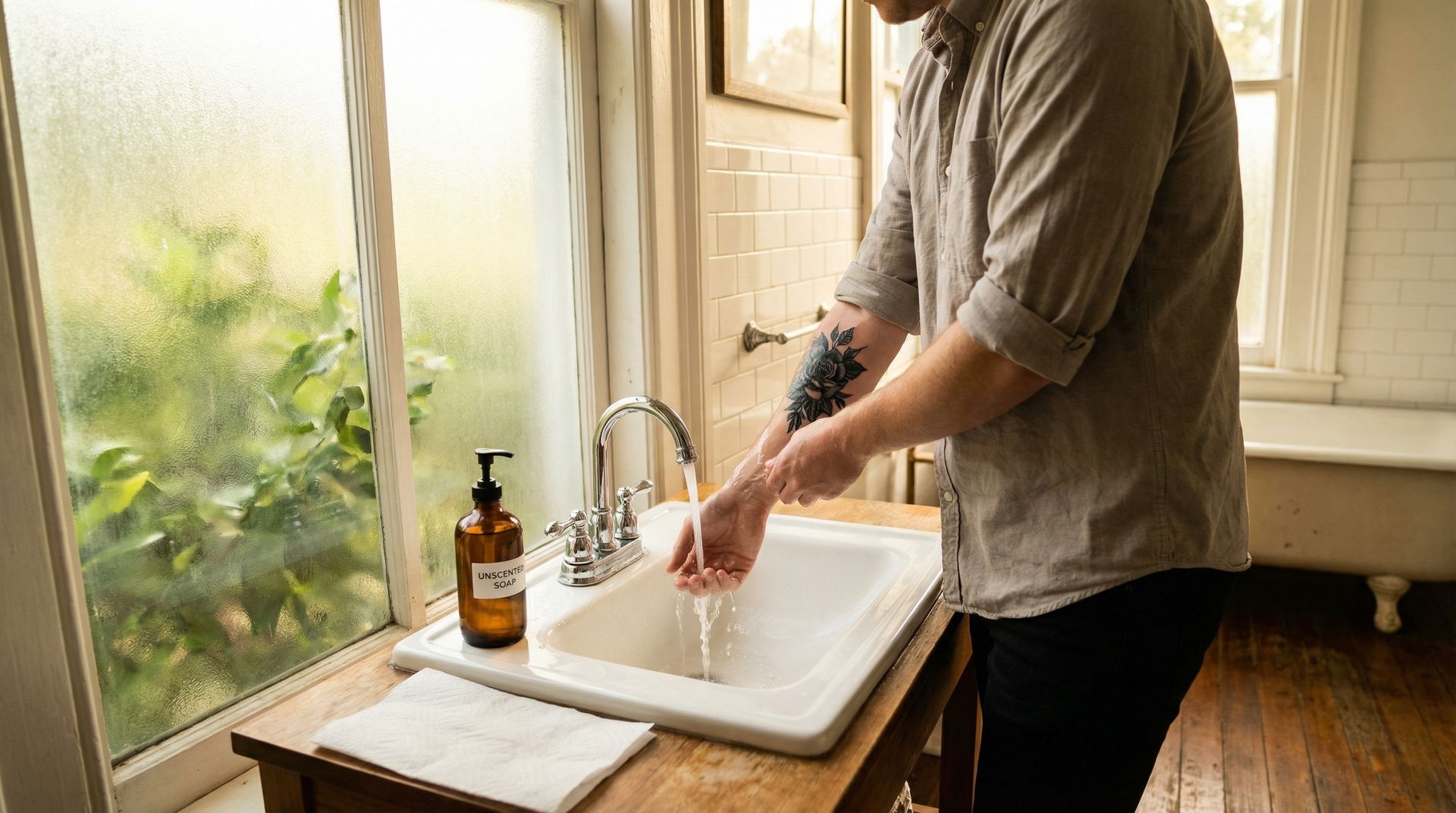
Tattoo aftercare realities
Expect to:
- wash gently (clean hands, mild soap)
- moisturize appropriately (not overdo it)
- avoid sun exposure
- avoid soaking (baths, pools, ocean)
- avoid picking flakes/peeling skin
If you work in a dirty environment (construction, landscaping, mechanical), tattoo placement and protection matter more.
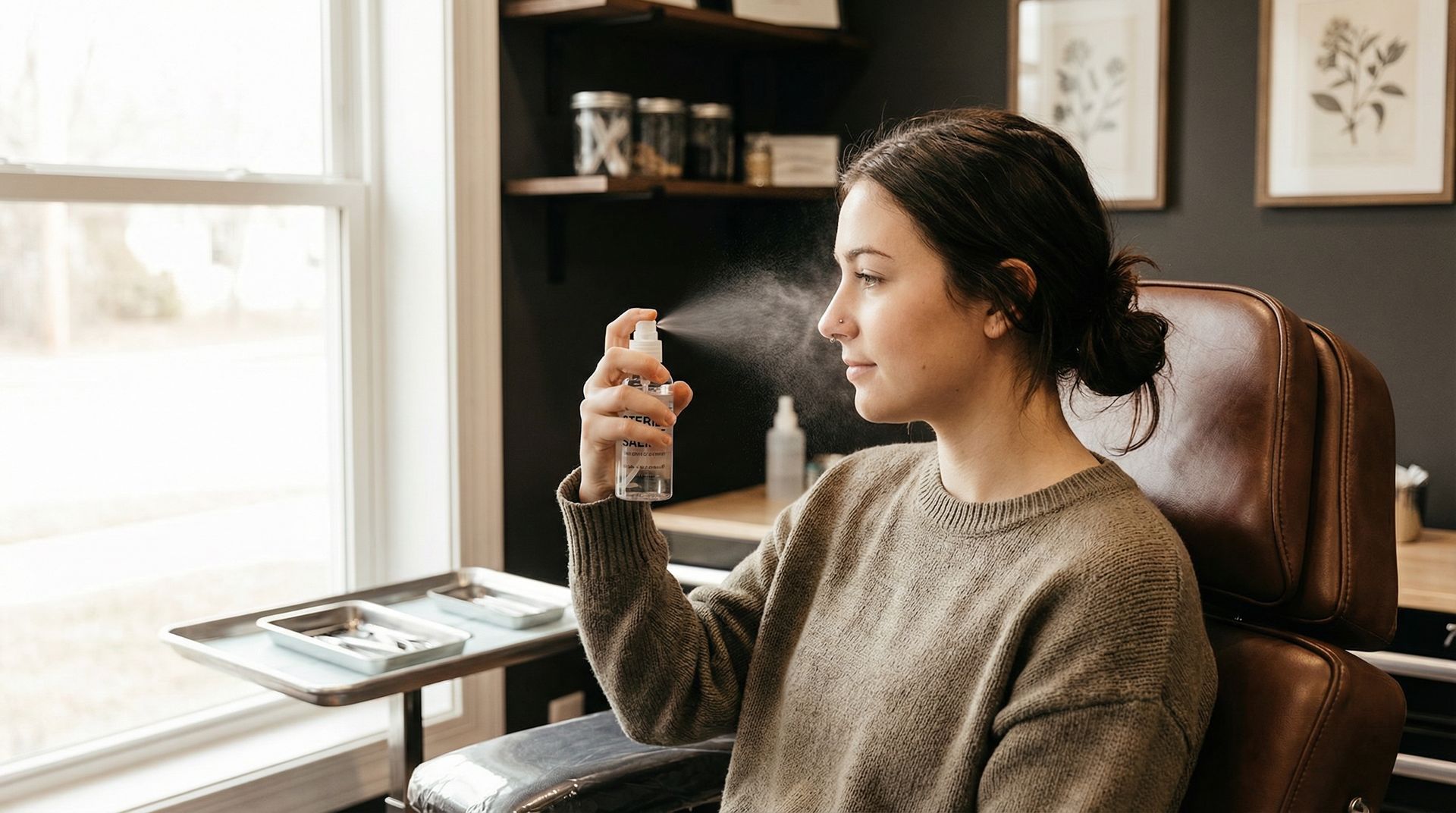
Piercing aftercare realities
Expect to:
- clean with saline as recommended
- keep hands off the jewelry
- avoid sleeping on it
- be careful with hair, masks, helmets, and towels
- avoid changing jewelry too early
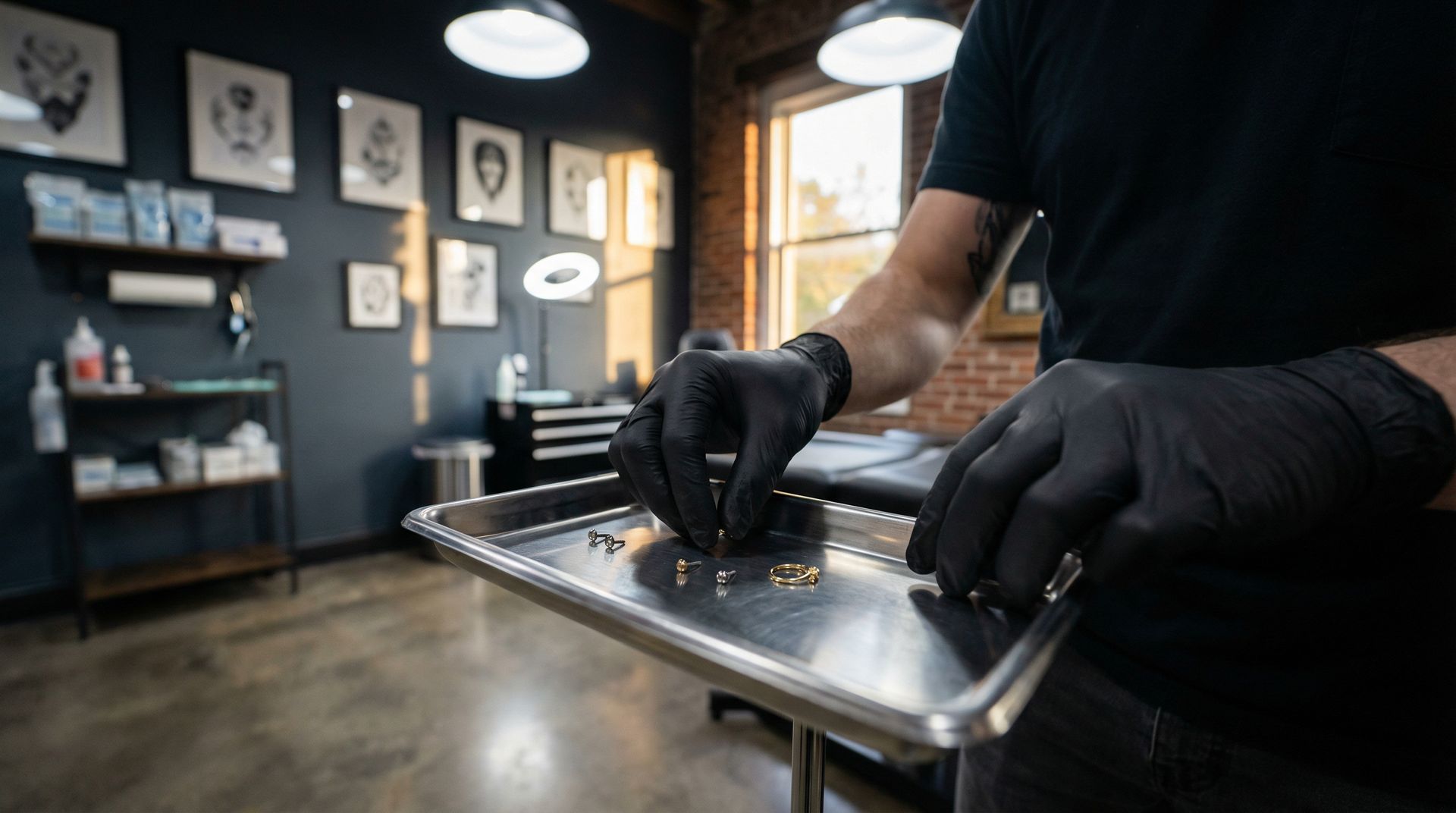
For piercings, jewelry quality matters. Studios typically use materials like implant-grade surgical steel (and other body-safe options) to support healing and reduce irritation.
So… tattoo vs piercing—which should you get first?
Pick tattoo first if you want a more predictable healing window and a result that feels “complete” sooner—especially if you can place it somewhere that won’t be rubbed, soaked, or sunblasted.
Pick piercing first if you want a fast change, a smaller commitment, or you’re still deciding what tattoo style and placement you want long-term—just be ready for a longer healing runway and the reality that bumps and tenderness can pop up if it gets irritated.
If you want the easiest answer: choose the option that best fits your next 4–12 weeks, not just what sounds coolest today.
Walk-in tattoos and piercings are available 7 days a week. Tattoo appointments require a $100 deposit (applies toward your tattoo).
Internal links used:
- Custom tattoo services
- Professional body piercing services
- Meet our artists & view tattoo styles